Pilots and reference sites

From energy flexibility concept to measured site proof

EnerVectum develops structured pilot projects where thermal storage, BESS, PV, heat pumps, EV charging, grid electricity and intelligent control can be tested under real operating conditions.

Pilots are not demonstrations only

For EnerVectum, a pilot is a structured proof platform. It should validate the technical system, generate customer value, create partner learning and support a clear replication pathway.

We focus on sites where the business case, energy data, operating constraints and future scale potential are visible from the beginning.

A good pilot should prove

  • How much energy can be shifted, stored or better coordinated
  • How thermal storage complements BESS, PV and flexible electrical assets
  • How site peaks, PV export and grid stress can be reduced
  • How intelligent control improves operation and future investment decisions
  • How the model can be repeated at future buildings, portfolios or local energy hubs
Reference Pilot 01 Preparation phase Planned start: 15 August 2026

First reference pilot: Varis Commercial Building FlexHub

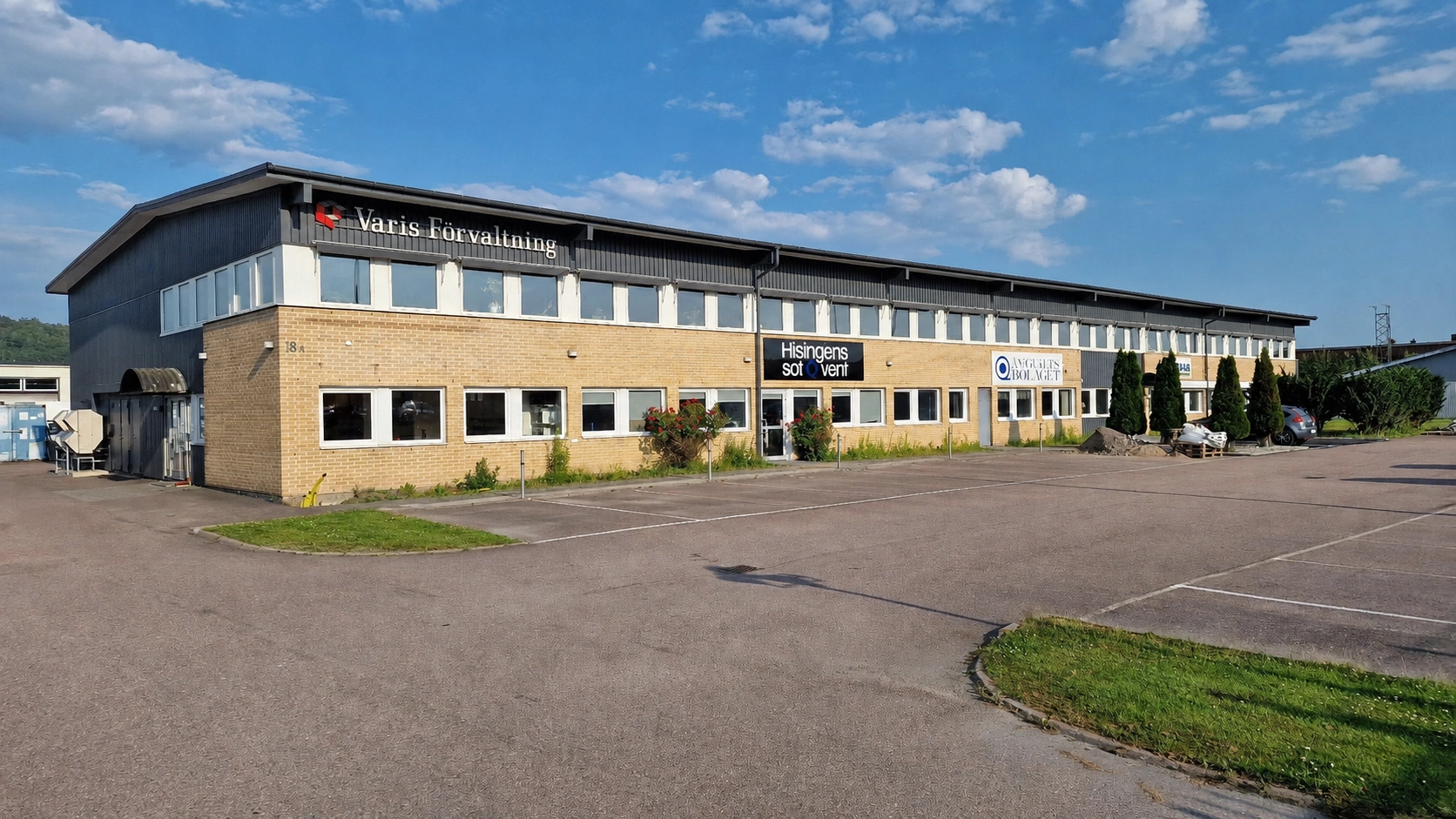
EnerVectum is preparing its first reference pilot with Varis Förvaltning, a commercial property owner in Gothenburg. The pilot is planned to start on 15 August 2026 and is designed to validate how a commercial building can become a more flexible, measurable and future-ready energy asset.

The Varis site provides a practical building environment where rooftop solar production, electricity use, heating demand, tenant operations, future EV charging and possible battery integration can be studied together. This makes the site relevant for developing a repeatable flexibility model for similar commercial buildings and property portfolios.

The pilot is coordinated by Greenco Tech AB from the R&D and technology-validation side. Greenco Tech AB provides the thermal storage technology under development, while EnerVectum AB will lead the system integration, apply the smart flexibility platform, coordinate the hybrid asset logic and structure the measured proof case for future commercial deployment.

The purpose is not only to install equipment, but to create a measured proof case that shows how site-level flexibility can improve renewable self-use, reduce avoidable power peaks, prepare the building for future electrification and support a practical pathway toward hybrid thermal-centred energy flexibility.

Varis Förvaltning commercial building in Gothenburg, reference pilot site for EnerVectum
Varis Förvaltning commercial building in Gothenburg, the planned first reference pilot site for EnerVectum’s commercial building FlexHub concept.
Site type Commercial building
Location Gothenburg, Sweden
Pilot focus PV, BESS readiness, thermal flexibility, EV charging and control
Primary outcome Measured proof for future building and portfolio deployments
Greenco Tech AB role Coordinates the pilot from the R&D, technical validation and technology-originator perspective, and provides the thermal storage technology under development.
EnerVectum AB role Leads integration, applies the smart flexibility platform and translates pilot learning into a scalable commercial model.

What the Varis pilot is intended to measure

A credible reference pilot needs measurable evidence, not only installation experience. The first pilot will help define the operational and commercial proof points for future EnerVectum deployments.

Energy shifting How much energy can be moved from less favourable periods to more useful operating windows.
PV self-use How local solar generation can be used more effectively instead of being exported at low value.
Peak reduction How hybrid control can reduce avoidable power peaks and prepare the site for future load growth.
Thermal performance How stored and delivered thermal energy can support building-level flexibility and resilience.
Control behaviour How the system should coordinate PV, BESS, TES, EV charging and building loads.
Customer value How flexibility can support lower costs, better asset use and improved energy planning.
Partner learning How roles, interfaces and responsibilities should be structured for future pilot and project delivery.
Replication logic How the model can be adapted to similar commercial buildings, property portfolios and local energy hubs.

Pilot opportunities we are looking for

EnerVectum is most relevant where several energy challenges overlap and where a customer or partner wants to move from discussion to measured validation.

Commercial building pilots

Buildings with heating demand, electricity-cost exposure, PV production, BESS potential or EV charging plans.

  • Offices and mixed-use buildings
  • Schools and public properties
  • Hotels and healthcare buildings
  • Property portfolios

PV + TES + BESS pilots

Sites where solar export, grid constraints or price variation can create value through hybrid storage and intelligent dispatch.

  • PV surplus absorption
  • Peak-power management
  • Battery and thermal coordination
  • Local renewable energy use

Light-industrial pilots

Sites with thermal loads, recovered heat potential, electrification pressure or energy-cost exposure.

  • Process or space heating
  • Waste-heat recovery opportunities
  • Flexible thermal loads
  • Energy resilience needs

The EnerVectum pilot pathway

We use a structured pathway to reduce uncertainty before installation and to make sure the pilot creates useful evidence for customers, partners, funders and future deployment.

1. Site screening Understand energy use, assets, constraints and customer priorities.
2. Data baseline Review electricity, PV, heat, tariffs, peaks and operating patterns.
3. Concept design Define the right TES, BESS, PV, heat pump, EV and control configuration.
4. Pilot structure Align scope, responsibilities, partners, funding and validation metrics.
5. Measured proof Run, measure, learn and define the replication pathway.

Useful data for first evaluation

  • Hourly electricity consumption data
  • PV production and export data, if available
  • Heating and hot-water demand information
  • Electricity tariff and peak-power cost structure
  • Existing heat pump, boiler, BESS or PV system information
  • EV charging plans or expected future electrical loads
  • Available installation space and operational constraints

Data makes the pilot credible

A strong pilot starts with a clear energy baseline. The better the site data, the easier it is to identify the right configuration, estimate value and define meaningful validation metrics.

We are especially interested in sites where energy use, tariff exposure, PV export, heat demand or grid limitations already create visible flexibility needs.

What a pilot should deliver

The output of a pilot should be more than installation experience. It should create a repeatable proof case.

Technical evidence Measured performance of the thermal core, hybrid assets, control logic and site integration.
Customer value Evidence of cost reduction, peak reduction, PV utilisation, resilience or operational improvement.
Partner learning Clear roles and learning for property owners, technology partners, investors and public actors.
Replication logic A practical pathway for scaling the solution to similar buildings, portfolios or local energy hubs.

How we work with partners

EnerVectum’s role is to structure the flexibility concept, coordinate relevant technologies and define a pilot that can generate useful proof for the site and the wider ecosystem.

We welcome dialogue with property owners, industrial customers, utilities, technology partners, investors and public innovation actors who want to help build practical thermal-centred flexibility.

Typical pilot participants

  • Customer site or property owner
  • Energy or facility manager
  • Technology and integration partners
  • Control and data partners
  • Public innovation or funding actors
  • Strategic investors or infrastructure partners

Have a site that could become a reference pilot?

We are looking for serious pilot dialogues with sites where PV export, heating demand, peak exposure, grid constraints or EV charging plans create a measurable flexibility opportunity.